
The Complete Guide: How to Put On Suspenders Like a Pro

Suspenders have made a remarkable comeback in modern fashion and are becoming increasingly popular among style-conscious individuals. Whether you’re dressing for a formal event, embracing vintage style, or simply looking for a comfortable alternative to belts, knowing how to put on suspenders correctly is essential for both comfort and style. This comprehensive guide will walk you through everything you need to know about wearing suspenders properly, from basic techniques to advanced styling tips.
Many people struggle with the proper way to wear suspenders, often making common mistakes that can ruin their overall appearance. Understanding the correct method not only ensures you look polished and put-together but also maximizes the comfort and functionality that suspenders provide. Unlike belts that can dig into your waist and create discomfort during long periods of wear, suspenders distribute weight evenly across your shoulders, making them an excellent choice for extended use.
What Are Suspenders and Why Wear Them?
Suspenders, also known as braces in some parts of the world, are adjustable straps worn over the shoulders to hold up trousers or pants. These versatile accessories have been a staple of men’s fashion for centuries and are experiencing a resurgence in popularity. The primary function of suspenders is to keep your pants at the proper height while providing superior comfort compared to traditional belts.
The benefits of wearing suspenders extend beyond mere functionality. They offer a classic, sophisticated appearance that can elevate both casual and formal outfits. Suspenders are particularly popular among fashion enthusiasts embracing vintage and retro styles, people with back problems who find belts uncomfortable, professionals in certain industries like firefighters and construction workers, and individuals attending formal occasions requiring a classic, elegant look.
From a health perspective, suspenders are often recommended by healthcare professionals for people with lower back issues. Since they don’t constrict the waist like belts do, they allow for better posture and can reduce pressure on the spine. This makes them an excellent choice for people who spend long hours sitting or standing, as they provide support without creating the discomfort often associated with tight belts.
Types of Suspenders: Choose the Right Style
Before learning how to wear suspenders properly, it’s crucial to understand the different types available in the market. Each type has its own advantages and is suited for different occasions and preferences.
- Button-on suspenders – Most formal and elegant option
- Clip-on suspenders – Beginner-friendly and versatile
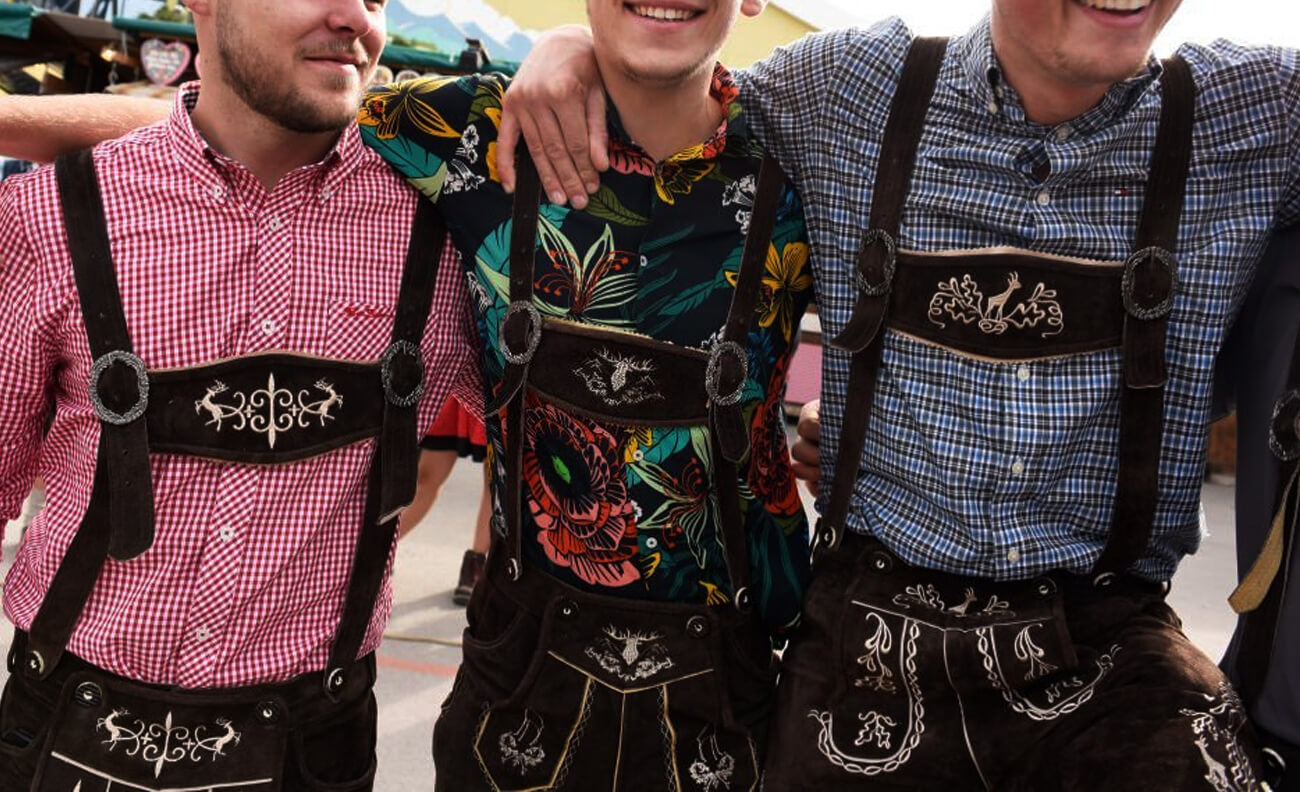
- Lederhosen suspenders – Traditional German-style with decorative elements
- Convertible suspenders – Dual functionality with clips and buttons
Button-on suspenders, also known as traditional braces, are considered the most elegant and formal option. They attach to buttons sewn inside the waistband of your trousers, creating a clean, professional appearance without visible clips or hardware. This traditional style offers better grip and security compared to clip-on varieties and is perfect for formal occasions and business wear. However, they require pants specifically designed with suspender buttons, which may limit your wardrobe options.
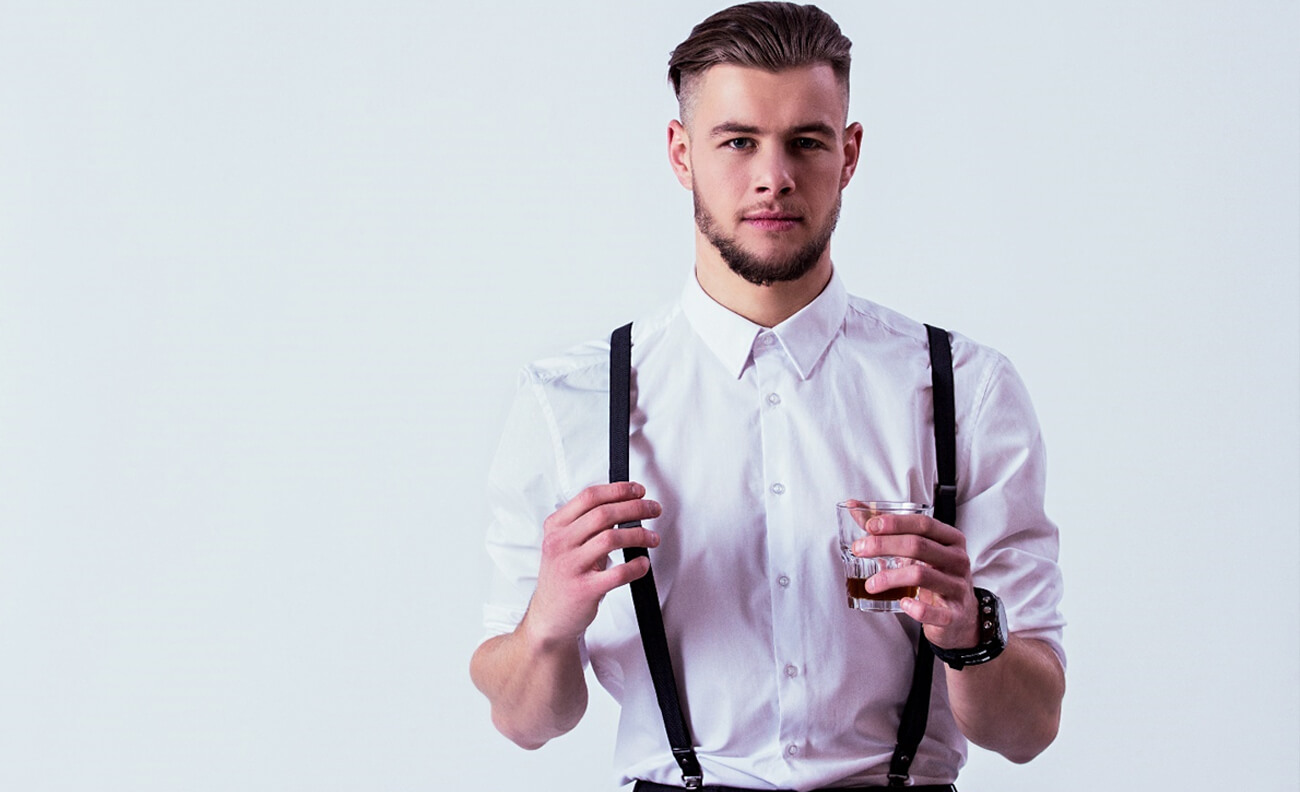

Clip-on suspenders are the most versatile and beginner-friendly option available. They feature metal or plastic clips that attach directly to your waistband, making them easy to use with any pants. These suspenders are quick to put on and remove, available in various clip styles and materials, and great for both casual and semi-formal wear. The convenience of clip-on suspenders makes them the most popular choice among newcomers to suspender wearing.
Lederhosen suspenders represent a unique category that combines functionality with traditional German craftsmanship. These suspenders are specifically designed to complement lederhosen and other traditional Alpine clothing. They often feature decorative elements such as embroidered designs, metal ornaments, and high-quality leather construction that reflects centuries of European tailoring tradition.
Convertible suspenders offer the best of both worlds, featuring both clips and button tabs. This versatility makes them perfect for those who want options and may own both regular pants and trousers with suspender buttons. They provide flexibility in styling and can adapt to different occasions and outfit requirements.
Step-by-Step Guide: How to Put On Suspenders
Method 1: How to Put On Clip-On Suspenders
The process of putting on clip-on suspenders requires attention to detail and proper technique to ensure both comfort and style. Start by preparing your outfit properly. Put on your shirt and trousers first, ensuring your pants fit properly at the waist without being too tight or loose. The fit of your pants is crucial because suspenders work best when they can hold pants at their natural waist position.
Before putting the suspenders on your body, take time to adjust the suspender straps to approximately match your height and build. Most suspenders have sliding adjusters that allow you to customize the length. This preliminary adjustment saves time and ensures a better fit once you’re wearing them. Look for the adjustment slides, which are typically located on the front straps, and set them to a length that seems appropriate for your torso.
Now comes the actual process of putting on the suspenders. Place the suspenders over your shoulders like you would put on a vest. The back strap should sit comfortably across your upper back, not too high near your neck or too low on your shoulder blades. Ensure the front straps fall naturally down your chest without twisting or bunching up. Take a moment to feel how the suspenders sit on your shoulders and make any necessary adjustments to the position.
The next step involves attaching the front clips to your trouser waistband. Position the clips about one to two inches from the center front of your pants, ensuring they grip securely but don’t damage the fabric. The clips should attach to the inside of the waistband for the cleanest appearance, though some people prefer to attach them to the outside for easier adjustment throughout the day.
Attaching the back clips is often where people struggle most with how to put suspenders on correctly. Reach behind yourself and attach the back clips to your waistband. For Y-back suspenders, attach the single clip at the center back of your waistband. For X-back suspenders, attach both clips equidistantly from the center back seam, typically about two to three inches apart. This may require some flexibility or assistance from another person, especially when you’re first learning the technique.
The final step involves making adjustments for optimal comfort and appearance. Check that all clips are secure and won’t slip during normal movement. Adjust the strap length using the sliding adjusters until the suspenders provide adequate support without being too tight or too loose. The ideal tension should hold your pants comfortably in place without creating pressure on your shoulders or causing the suspenders to dig in.
Method 2: How to Put On Button-On Suspenders
Button-on suspenders require a different approach and specially prepared trousers. First, ensure your trousers have suspender buttons sewn inside the waistband. Many formal trousers come with these pre-installed, but you may need to have them added by a tailor if your pants don’t have them. The buttons are typically small and flat, designed specifically for use with suspenders.
Proper suspender button placement is crucial for both function and comfort. Front buttons should be positioned three to four inches from the center front on each side of the waistband. Back buttons should be placed two to three inches from the center back seam. All buttons should be positioned about one inch below the top edge of the waistband to ensure the suspenders sit properly and don’t pull awkwardly on the fabric.
To attach button-on suspenders, simply loop the leather or fabric button tabs over the corresponding buttons inside your waistband. Start with the front attachments, then reach behind to secure the back. Once all connections are made, adjust the straps using the buckles or slides until you achieve the proper tension and comfort level. The advantage of button-on suspenders is their secure attachment and clean appearance, though they require more preparation and planning.
Common Mistakes When Putting On Suspenders
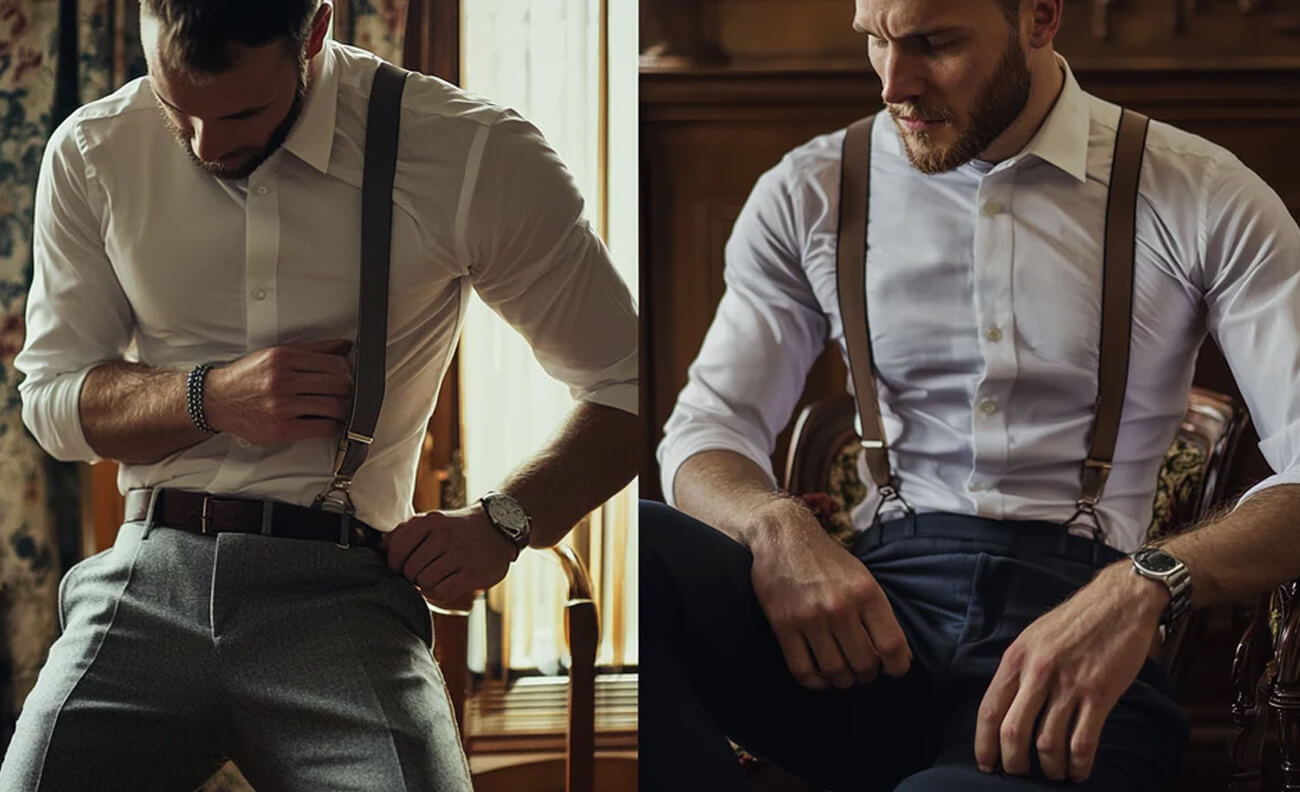
Many people make critical errors when learning how to put on suspenders, which can result in discomfort, poor appearance, or even damage to clothing. Understanding these common mistakes helps you avoid them and achieve better results from the start.
- Incorrect strap length – Too tight or too loose tension
- Poor clip placement – Uneven or improper positioning
- Wearing suspenders with belts – Fashion faux pas to avoid
- Wrong width selection – Not matching suspender width to body type
- Ignoring lederhosen suspender traditions – Missing authentic styling details
One of the most frequent mistakes is incorrect strap length adjustment. Many newcomers to suspender wearing don’t know how to adjust suspender straps properly, resulting in either too much tension that creates discomfort and pulling, or too little tension that provides inadequate support. The correct tension should hold your pants securely in place while allowing comfortable movement and breathing.
Poor clip placement is another common error that can cause pants to bunch, twist, or feel uneven throughout the day. Always position clips symmetrically on both sides of your body, and ensure they’re attached securely to prevent slipping. The clips should grip the waistband firmly without creating excessive pressure that might damage the fabric or cause discomfort.
A major fashion faux pas that some people commit is wearing suspenders and a belt together. This combination is both unnecessary and visually unappealing, as it serves no functional purpose and creates a cluttered appearance around the waist area. Choose either suspenders or a belt, but never both simultaneously.
Choosing the wrong suspender width for your body type and occasion is another mistake that can affect both appearance and comfort. Narrow suspenders work better for slim builds and casual wear, providing a sleek appearance that doesn’t overwhelm smaller frames. Wide suspenders suit broader frames and formal occasions, offering more substantial support and a more traditional, formal appearance.
When wearing lederhosen suspenders, many people overlook the traditional styling elements that make these accessories authentic. Proper lederhosen suspender wearing involves understanding the cultural significance and ensuring that decorative elements are displayed correctly and respectfully.
Styling Tips: How to Wear Suspenders Fashionably
Casual Suspender Styling
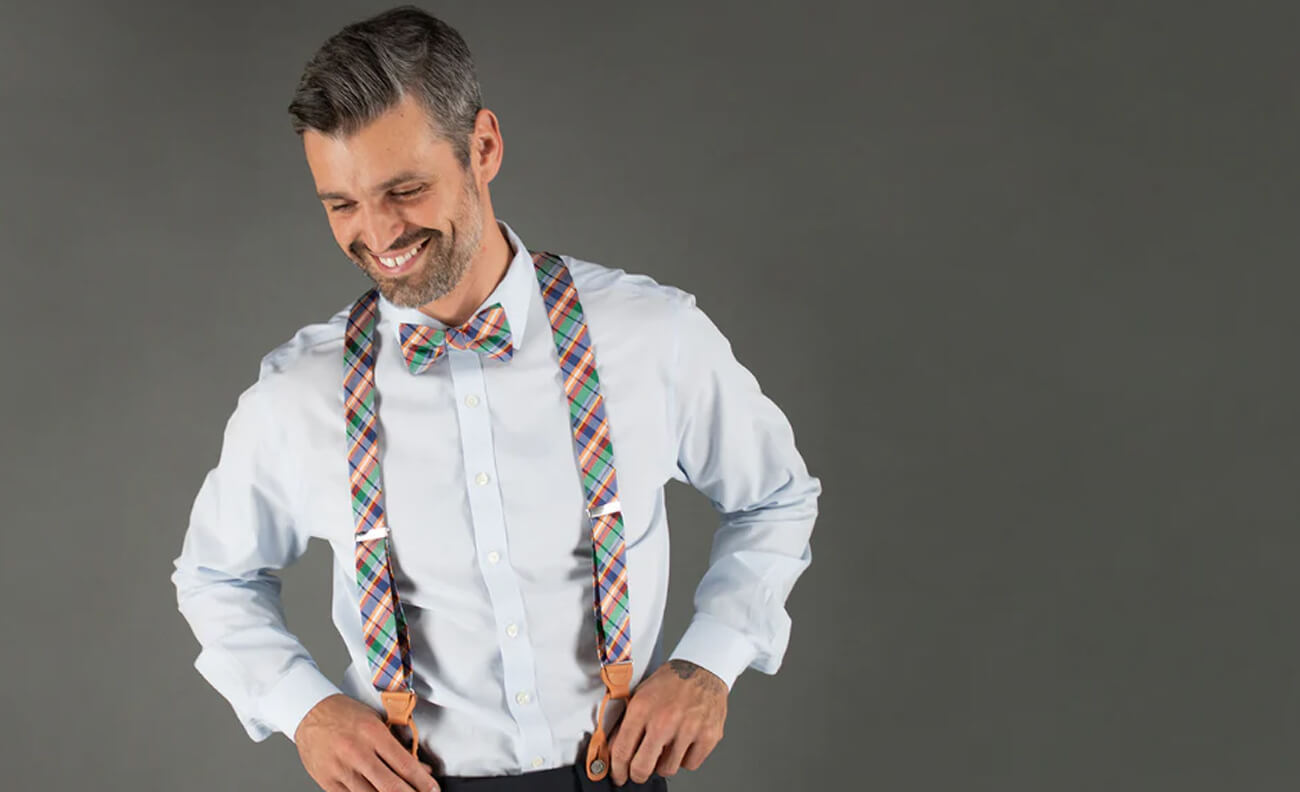
When incorporating suspenders into casual outfits, the key is to maintain a relaxed, effortless appearance while still looking put-together. For casual wear, consider pairing suspenders with jeans, chinos, or casual trousers in comfortable fabrics. Choose suspenders in fun colors, interesting patterns, or unique materials that reflect your personal style and add visual interest to your outfit.
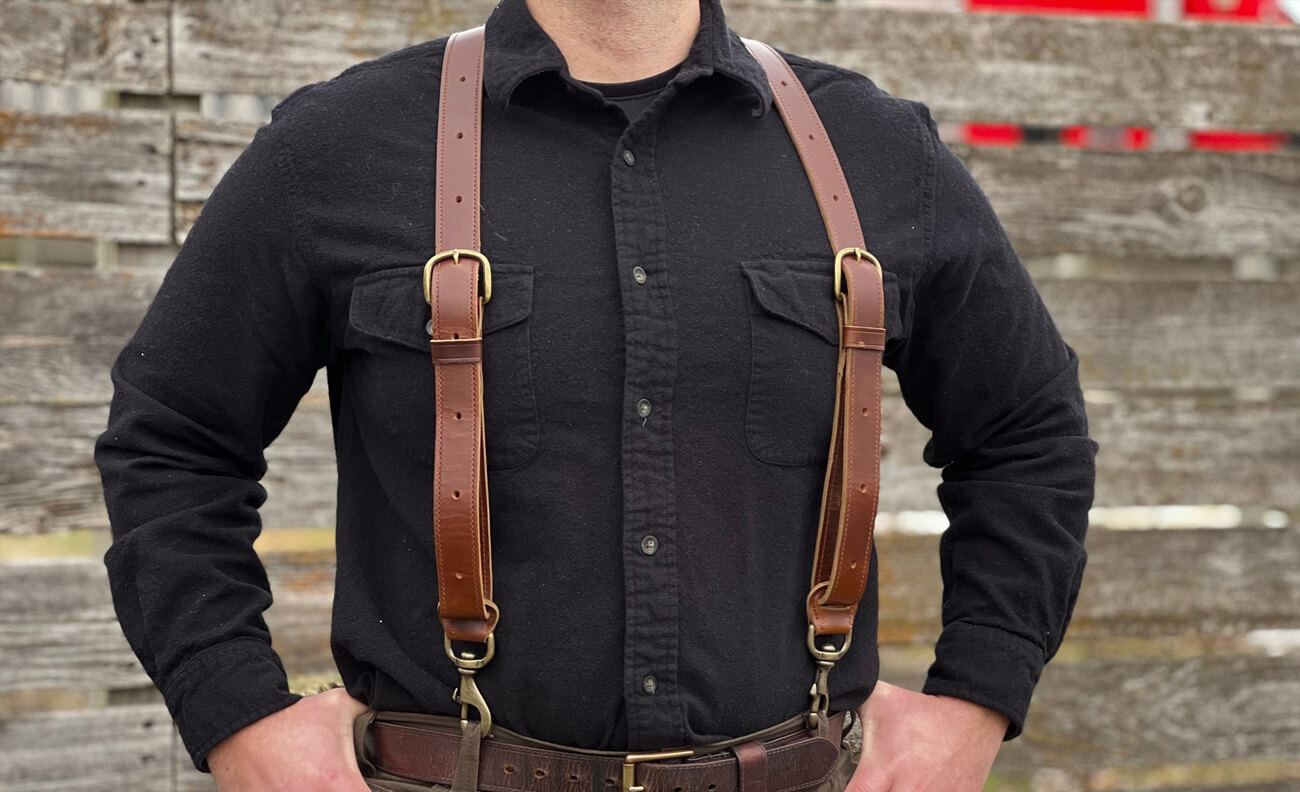
Casual suspender styling works particularly well when combined with t-shirts, casual button-down shirts, sweaters, or even polo shirts. The key is to maintain a balance between the formal nature of suspenders and the relaxed feel of casual clothing. Consider opting for leather suspenders or fabric varieties with interesting textures rather than formal silk or plain elastic options.
Color coordination plays an important role in casual suspender styling. While formal occasions call for conservative colors, casual wear allows for more experimentation. Consider suspenders in colors that complement or contrast nicely with your shirt and pants, creating a cohesive yet interesting visual appeal.
Formal Suspender Styling
Formal occasions require more attention to traditional suspender etiquette and styling principles. When dressing formally, select suspenders in traditional colors such as black, navy blue, brown, or white, depending on the formality of the event and the color scheme of your outfit. These classic colors ensure your suspenders complement rather than compete with other elements of your formal attire.
Button-on suspenders are preferred for formal wear when possible, as they provide the cleanest, most traditional appearance. If you must use clip-on suspenders for formal occasions, choose high-quality options with minimal visible hardware. Pair formal suspenders with dress shirts, vests, blazers, or full suits, ensuring that all elements of your outfit work together harmoniously.
When wearing suspenders formally, pay attention to details such as ensuring they’re hidden under jackets when possible, maintaining proper grooming and overall appearance, and choosing suspenders made from high-quality materials like silk, leather, or fine elastic that match the level of formality of your outfit.
Business Professional Look
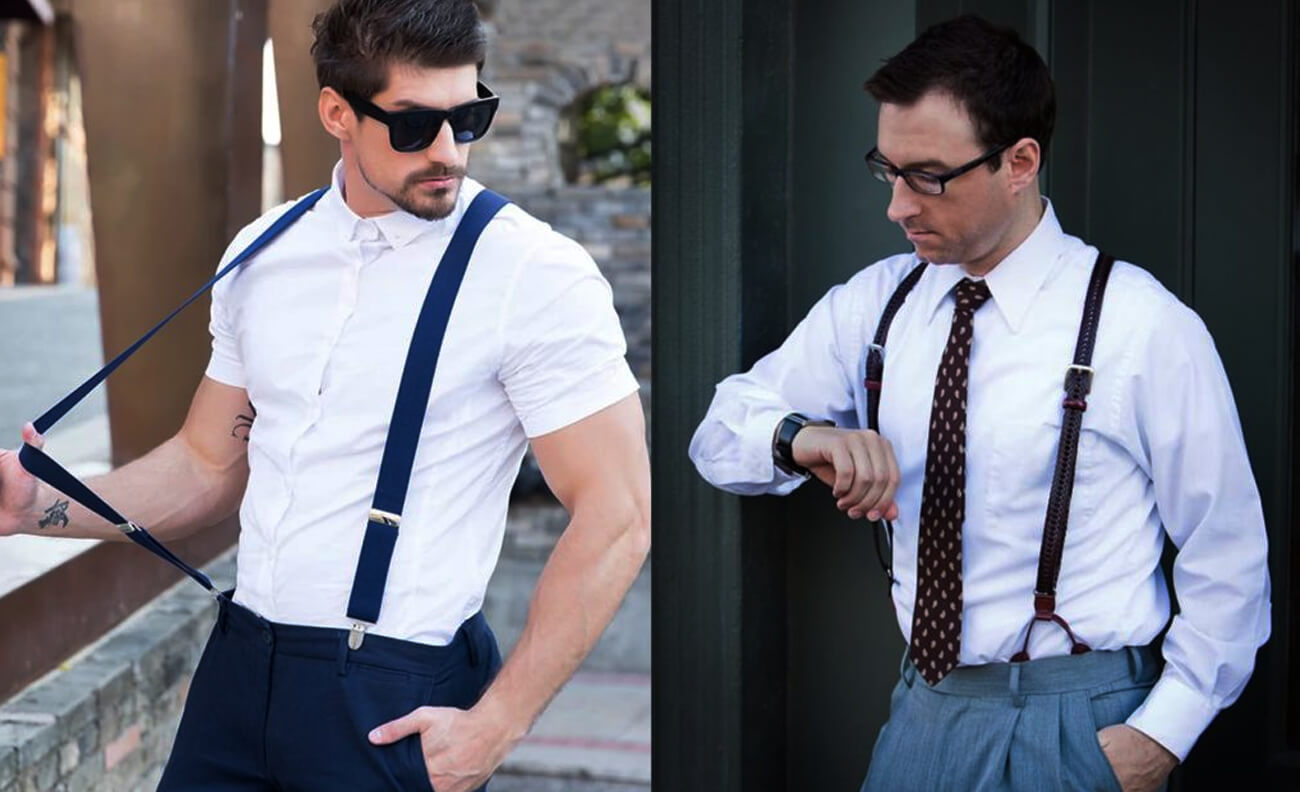
Creating a professional appearance with suspenders requires careful attention to conservative styling principles. In business environments, stick to conservative colors and subtle patterns that won’t distract from your professional image. Ensure suspenders are made from high-quality materials and are in good repair, as worn or cheap-looking suspenders can detract from an otherwise polished appearance.
Professional suspender styling often works best when the suspenders remain somewhat hidden under jackets or vests, creating a subtle enhancement to your silhouette rather than making a bold fashion statement. However, in more creative industries or casual business environments, visible suspenders can add personality and style to your professional wardrobe.
Always consider your workplace culture and dress code requirements when incorporating suspenders into business attire. Some conservative environments may view suspenders as too casual or unconventional, while others may appreciate the classic, traditional appearance they provide.
Suspender Maintenance and Care
Proper care and maintenance of your suspenders will extend their lifespan significantly and ensure they continue to look and function at their best. Different materials require different care approaches, so it’s important to understand how to properly maintain your specific type of suspenders.
For fabric suspenders, hand washing in cold water is typically the safest approach. Use mild detergent and avoid harsh chemicals or bleach that might damage the fabric or elastic components. After washing, allow them to air dry completely rather than using heat, which can damage elastic fibers and cause premature stretching or deterioration.
Leather suspenders require special attention and should be treated with leather conditioner periodically to maintain their flexibility and appearance. Avoid getting leather suspenders excessively wet, and if they do become damp, allow them to dry naturally away from direct heat sources. Store leather suspenders in a way that prevents creasing or folding, which can cause permanent damage to the leather.
Elastic suspenders should be washed gently, either by hand or in a washing machine on a gentle cycle with cold water. Avoid using fabric softeners, which can break down elastic fibers over time. Always air dry elastic suspenders, as heat from dryers can cause the elastic to lose its stretch and become less effective.
Proper storage is crucial for maintaining suspender quality over time. Hang suspenders to maintain their shape and prevent the elastic from losing its integrity. Keep them away from extreme temperatures, direct sunlight, and sharp objects that might damage clips, fabric, or elastic components. A dedicated drawer or closet section works well for suspender storage.
Choosing the Right Suspenders for Your Body Type
Understanding how different suspender styles work with various body types helps ensure you achieve the most flattering and comfortable fit possible. Your height, build, and personal style preferences all play roles in determining which suspenders will work best for you.
Taller men should consider suspenders with longer adjustable straps to ensure adequate length and proper fit. Y-back or X-back configurations often provide better support and weight distribution for taller individuals. Wider straps can help create a proportional appearance that doesn’t look overwhelmed by a larger frame.
Shorter men often benefit from narrower suspender widths that don’t overwhelm their frame or create visual bulk. Look for suspenders with plenty of adjustability to ensure proper fit without excessive strap length that might bunch or fold. Colors that don’t contrast too dramatically with clothing can help create a streamlined appearance.
For larger builds, focus on suspenders with heavy-duty clips and strong elastic that won’t stretch out quickly under additional stress. Wider straps provide better comfort and support by distributing weight more evenly across the shoulders. Quality construction becomes especially important for larger individuals, as cheaper suspenders may not hold up to regular use.
Suspender Alternatives and Comparisons
Understanding the pros and cons of suspenders compared to other trouser support options helps you make informed decisions about when and how to incorporate them into your wardrobe.
Suspenders vs Other Options:
- Suspenders vs Belts – Comfort and health benefits comparison
- Traditional vs Modern styles – Classic braces vs contemporary designs
- Lederhosen suspenders vs Regular – Cultural authenticity differences
- Side tab adjusters – Built-in trouser adjustment alternatives
When comparing suspenders versus belts, suspenders offer several distinct advantages. They provide no waist constriction, which can be more comfortable for extended wear and better for digestive health. Suspenders are often recommended for people with back problems, as they don’t create pressure points around the midsection. They also offer a classic, sophisticated appearance that can elevate both casual and formal outfits.
However, belts also have their advantages, including more universal acceptance in modern fashion, easier independent application, broader availability of clothing designed for belt wear, and generally lower cost. Belts also offer more variety in materials, styles, and decorative options.
Lederhosen suspenders occupy a unique position in this comparison because they serve both functional and cultural purposes. Unlike regular suspenders that focus primarily on holding up trousers, lederhosen suspenders are integral to traditional Alpine dress and carry cultural significance that extends beyond mere functionality. They often feature decorative elements that regular suspenders lack, making them statement pieces rather than purely utilitarian accessories.
Side tab adjusters represent another alternative that some people prefer over both suspenders and belts. These are built into trouser waistbands, remain invisible when worn with jackets, and allow for minor waist adjustments without additional accessories. While they don’t provide the same level of adjustability as suspenders, they offer a subtle, streamlined appearance.
Suspender Shopping Guide
What to Look for When Buying Suspenders
When shopping for suspenders, several key features distinguish quality options from inferior alternatives. Look for durable construction in both the elastic or fabric straps and the hardware components. High-quality suspenders use materials that maintain their stretch and appearance over time, while cheap alternatives may stretch out, fade, or break with regular use.
Strong, reliable clips or button tabs are essential for both function and longevity. Metal clips should operate smoothly and grip securely without damaging fabric. Plastic clips can work well for lighter-weight applications but may not provide the durability needed for regular use. Button tabs should be made from sturdy leather or fabric that won’t tear or stretch excessively.
Smooth-operating adjusters make daily use more convenient and ensure you can achieve the proper fit every time you wear your suspenders. Look for adjusters that slide easily but hold their position securely once set. Some suspenders include comfortable shoulder padding, which can be beneficial for extended wear or when carrying additional weight.
The appropriate width depends on your intended use and personal preference. Narrower suspenders work well for casual wear and slimmer builds, while wider options provide more support and work better for formal occasions or larger individuals.
Best Suspender Brands
Several manufacturers have established reputations for producing high-quality suspenders that combine traditional craftsmanship with modern materials and construction techniques. When looking for reliable suspender options, these brands consistently deliver quality and value.
- Luxury brands – Trafalgar, Albert Thurston (premium materials)
- American manufacturers – Perry Suspenders (quality craftsmanship)
- Workwear specialists – Dickies, Carhartt (heavy-duty options)
- Heritage specialists – Heritage Lederhosen (authentic traditional styles)
Trafalgar offers luxury options with premium materials and exceptional construction quality. Their suspenders feature high-grade leather, silk, and metal components that provide both durability and sophisticated appearance. Albert Thurston represents traditional British brace-making with handcrafted attention to detail and classic styling that has remained consistent for generations.
Perry Suspenders provides a range of American-made varieties that balance quality with accessibility. Their manufacturing processes focus on durability and comfort, making them excellent choices for regular wear. For workwear applications, Dickies and Carhartt offer heavy-duty suspenders designed to withstand demanding use while maintaining comfort and functionality.
Why Buy from Heritage Lederhosen:
Heritage Lederhosen stands out as a specialist manufacturer focusing specifically on traditional Alpine and German-style suspenders. Their lederhosen suspenders combine authentic design elements with modern quality standards, ensuring customers receive products that honor traditional craftsmanship while meeting contemporary durability expectations.
The company’s commitment to authenticity means their suspenders feature traditional decorative elements, proper proportioning, and materials that reflect centuries of European tailoring expertise. Heritage Lederhosen sources high-quality leather and hardware, ensuring their products maintain their appearance and functionality through regular use.
Customer service and expertise represent additional advantages of choosing Heritage Lederhosen. Their staff understands the cultural significance and proper styling of traditional suspenders, providing guidance that helps customers achieve authentic, respectful appearances when wearing lederhosen and related traditional clothing.
When choosing a brand, consider factors such as intended use, budget, style preferences, and quality requirements. Higher-end brands typically offer better materials, construction, and longevity, while specialized manufacturers like Heritage Lederhosen provide expertise in specific traditional styles that mass-market brands may not understand or execute properly.
Price Ranges and Value
Suspender pricing varies widely based on materials, construction quality, brand reputation, and intended market. Budget options typically range from ten to twenty-five dollars and include basic clip-on styles made with standard materials. These can work well for occasional use or trying out suspenders before investing in higher-quality options.
Mid-range suspenders, priced between twenty-five and seventy-five dollars, typically offer better materials, improved construction quality, and more style options. This price range often provides the best value for regular suspender wearers who want quality without premium pricing.
Premium suspenders, ranging from seventy-five to two hundred dollars or more, feature luxury materials such as silk, high-quality leather, or handcrafted construction. These options are typically worth the investment for frequent users or those who prioritize the finest materials and craftsmanship.
Cultural and Historical Context
The history of suspenders dates back centuries and provides interesting context for their modern use. Originally called “galluses” in America, suspenders were popular throughout the nineteenth and early twentieth centuries when they were considered an essential part of men’s clothing. Their popularity declined significantly with the rise of belt fashion following World War II, but they’ve experienced periodic revivals in vintage and alternative fashion circles.
International variations in suspender styles reflect different cultural approaches to men’s formal wear. British “braces” typically feature button-on attachment and are considered more formal than American-style suspenders. European variations include side-clip styles and different proportioning that reflects regional tailoring traditions. Military and workwear traditions worldwide have contributed to various functional designs that prioritize durability and utility over pure fashion considerations.
Understanding this historical and cultural context helps appreciate suspenders as more than mere fashion accessories—they represent a connection to traditional menswear and classic style principles that transcend temporary fashion trends.
Special Occasions and Suspender Etiquette
Wedding Suspenders
Wedding occasions require special attention to suspender selection and coordination. Whether you’re the groom, groomsman, or wedding guest, suspenders can add elegance and sophistication to formal wedding attire. Coordinate suspender colors with the wedding party’s color scheme, choose an appropriate formality level that matches the event’s dress code, and ensure comfort for long events that may involve extended standing, dancing, and celebration.
Consider the photographic aspects of wearing suspenders at weddings, as they can add visual interest and classic appeal to wedding photos. However, ensure they complement rather than distract from the overall aesthetic of the wedding party and venue.
Work Environment Considerations
The appropriateness of suspenders in workplace settings varies significantly based on industry, company culture, and specific job requirements. Conservative offices may prefer subtle suspender styles that remain largely hidden under business attire, while creative industries often welcome bold choices that express personality and style. Safety-critical jobs may require specific types of suspenders that meet industrial safety standards.
Always check company dress codes and policies before incorporating suspenders into your work wardrobe. When in doubt, observe what senior colleagues and supervisors wear, and consider asking about dress code flexibility if you’re uncertain about suspender acceptability.
Troubleshooting Common Suspender Problems
Even with proper technique and quality suspenders, you may encounter occasional issues that require troubleshooting and adjustment. If your suspenders keep slipping off your shoulders, check the strap length adjustment to ensure proper tension. Examine clip attachment strength and consider replacing clips if they’re not gripping securely. Some suspenders include non-slip shoulder grips that can help prevent sliding, and ensuring proper overall fit is essential for preventing slippage.
When suspenders make your pants feel uneven or create an asymmetrical appearance, check clip placement symmetry and adjust strap lengths equally on both sides. Ensure your pants fit properly, as poorly fitted trousers can exacerbate evenness problems. In some cases, trouser alterations may be necessary to achieve optimal results with suspenders.
If you experience discomfort while wearing suspenders, try different width options to find what works best for your body type and sensitivity level. Adding shoulder padding if available can help distribute pressure more evenly. Adjust tension to find the optimal balance between support and comfort, and consider trying different attachment styles if current suspenders aren’t working well for you.
Advanced Suspender Techniques
Layering with Vests and Jackets
Wearing suspenders with vests and jackets requires attention to fit and coordination to achieve a polished appearance. Ensure your vest fits properly to accommodate suspenders without creating bulk or uncomfortable pressure points. Coordinate colors and styles between suspenders, vest, and other clothing elements to create a cohesive overall appearance.
Pay attention to visible strap placement when wearing open vests or jackets, ensuring suspenders enhance rather than detract from your outfit’s visual appeal. Consider comfort when layering multiple clothing items, as additional layers can affect how suspenders sit and feel throughout the day.
Seasonal Adaptations
Different seasons require different approaches to suspender wearing and styling. Summer calls for lightweight fabrics and breathable materials that won’t add excess heat or bulk to your outfit. Choose lighter colors and thinner straps when appropriate for warm-weather comfort.
Winter suspender wearing must accommodate heavier clothing and layering requirements. Darker colors work well with winter wardrobes, and ensure suspenders can work comfortably under sweaters, jackets, and other cold-weather clothing. Spring and fall seasons allow for versatile options that can adapt to changing weather conditions and varying formality requirements.
Conclusion: Master the Art of Wearing Suspenders
Learning how to put on suspenders correctly opens up a world of style possibilities that combine classic elegance with practical functionality. Whether you choose the convenience of clip-on suspenders or the traditional appeal of button-on varieties, proper technique, fit, and styling are essential for achieving the best results.
The key points to remember include choosing the right suspender type for your needs and clothing, paying careful attention to proper clip placement and strap adjustment, coordinating suspenders with your overall outfit and occasion appropriateness, maintaining them properly to ensure longevity and continued good appearance, and embracing the confidence and distinctive style that well-worn suspenders provide.
Suspenders offer a unique blend of functionality and fashion that, when worn correctly, can elevate any outfit while providing superior comfort compared to traditional belts. The learning process requires practice and experimentation with different styles, but the results are worth the effort. Take time to find the right suspenders for your body type, lifestyle preferences, and personal style goals.
Whether you’re attending a formal event, embracing vintage-inspired fashion, or simply seeking a more comfortable alternative to belts, mastering the art of wearing suspenders provides versatility and sophistication that enhances your overall wardrobe options. The confidence that comes from knowing you look polished and put-together makes the effort of learning proper suspender technique worthwhile.
Remember that suspender wearing is both an art and a skill that improves with practice and experience. Don’t be discouraged if your first attempts aren’t perfect—even experienced suspender wearers continue to refine their technique and discover new styling possibilities. With patience, attention to detail, and quality suspenders, you’ll soon be wearing them with the confidence and expertise that comes from mastering this classic menswear accessory.
How do you put on suspenders step by step?
To put on clip-on suspenders, first put on your shirt and pants, then place the suspenders over your shoulders like a vest. Attach the front clips about 1-2 inches from the center of your waistband, then reach behind to attach the back clips 2-3 inches from the center back seam. Adjust the strap length for comfort and ensure all clips are secure.
What is the correct way to wear suspenders?
The correct way to wear suspenders is to ensure they sit comfortably on your shoulders without twisting, attach securely to your waistband at proper positions (front clips near center, back clips evenly spaced), and adjust the tension so they hold your pants without being too tight or loose. Never wear suspenders with a belt.
Should suspenders be worn over or under a shirt?
Suspenders should always be worn over your shirt, never underneath. They are designed to be visible and are considered part of your outfit’s styling. Wearing them under a shirt would be uncomfortable and defeat their aesthetic purpose.
How tight should suspenders be?
Suspenders should be adjusted to provide adequate support without being uncomfortably tight. They should hold your pants at the proper height while allowing comfortable movement, breathing, and sitting. If they’re digging into your shoulders or creating excessive tension, they’re too tight.
Can you wear suspenders with jeans?
Yes, you can wear suspenders with jeans for a casual, vintage-inspired look. Choose clip-on suspenders in fun colors or interesting materials. This combination works particularly well for casual outings, themed events, or when embracing retro fashion styles.
What’s the difference between suspenders and braces?
Suspenders and braces are essentially the same garment with different regional names. “Braces” is the British term, while “suspenders” is more commonly used in America. British braces traditionally use button attachments, while American suspenders often use clips.
Do you need special pants for suspenders?
For clip-on suspenders, you don’t need special pants as they attach directly to any waistband. For button-on suspenders, you need pants with suspender buttons sewn inside the waistband, which are found on many formal trousers or can be added by a tailor.
How do you attach suspender buttons to pants?
Suspender buttons should be sewn inside the waistband by a professional tailor. Front buttons go 3-4 inches from center front on each side, back buttons go 2-3 inches from center back, all positioned about 1 inch below the waistband edge for proper suspender function.
How much should quality suspenders cost?
Quality suspenders typically range from $25-75 for good everyday options, with premium handcrafted versions costing $75-200 or more. Budget options under $25 can work for occasional use, but investing in mid-range or higher quality ensures better durability and comfort.
Are suspenders appropriate for business wear?
Suspenders can be appropriate for business wear depending on your industry and company culture. Choose conservative colors, high-quality materials, and ensure they remain mostly hidden under jackets. Some traditional industries embrace suspenders as classic business attire.
How do you prevent suspenders from slipping off shoulders?
To prevent slipping, ensure proper strap adjustment for adequate tension, check that clips are attached securely, consider suspenders with non-slip shoulder grips, and make sure your overall fit is correct. Poorly adjusted or low-quality suspenders are more likely to slip.
What body type looks best in suspenders?
Suspenders can work for all body types when chosen and styled correctly. Taller men should choose wider straps and longer lengths, shorter men benefit from narrower widths, and larger builds need heavy-duty construction with wide, comfortable straps for proper support.