
How to Tell if a Dirndl is Authentic: The Ultimate Guide to Identifying Traditional German and Austrian Dresses

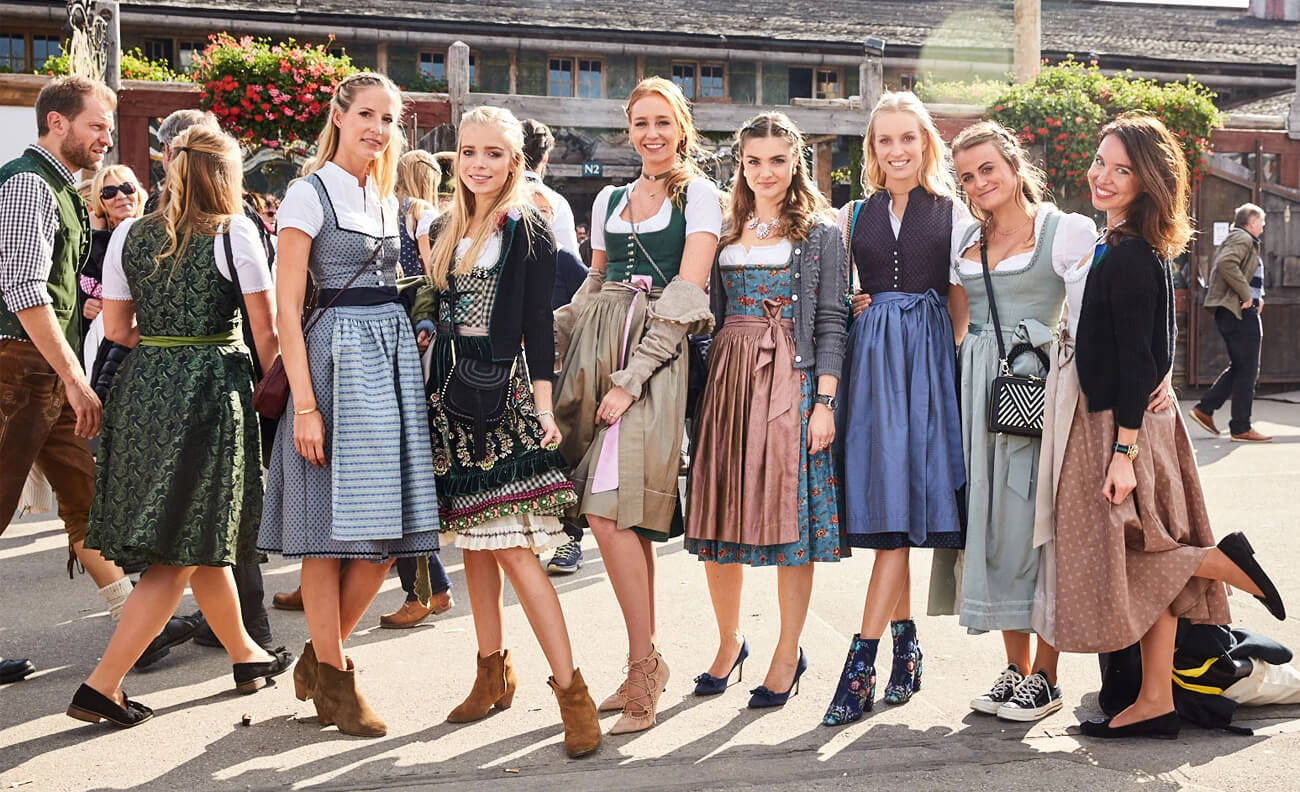
Are you planning to buy a dirndl for Oktoberfest or want to identify an authentic traditional German dress? With so many mass-produced imitations flooding the market, knowing how to spot a genuine dirndl has become crucial for anyone interested in authentic German culture. This comprehensive guide will teach you everything you need to know about identifying authentic dirndls, from traditional construction methods to quality markers that separate genuine pieces from cheap knockoffs.
What is an Authentic Dirndl?
A traditional outfit worn by women in Austria and Germany is called a dirndl. The authentic German dirndl has become quite a popular ensemble among Europeans, particularly those attending Oktoberfest celebrations. An authentic dirndl represents centuries of German and Austrian cultural heritage, serving as much more than just a costume for festivals. These traditional garments carry deep cultural significance and reflect the rich history of Alpine communities.
The complete dirndl consists of a close-fitting sleeveless bodice with an attached full skirt, worn over an abbreviated blouse and finished with a contrasting apron. This three-piece ensemble includes the main dress itself, a white blouse called a “bluse,” and a decorative apron known as a “schürze.” Each component plays a crucial role in creating the authentic look that has been cherished for generations across German-speaking regions.
Key Components of an Authentic Dirndl
The Bodice (Mieder)
The bodice is the heart of any authentic dirndl and serves as the foundation for the entire ensemble. This structured piece must demonstrate exceptional craftsmanship and attention to detail. A properly constructed bodice should fit snugly around the torso without causing discomfort, providing both support and an attractive silhouette. Traditional bodices feature a lace-up front with metal eyelets or sophisticated hook systems that allow for customized fitting.
An authentic dirndl bodice must include built-in bra support or structured cups to create the proper shape and provide adequate support. Quality boning or interfacing is essential for maintaining the garment’s form over time and through repeated wear. The construction should include premium fabrics such as cotton, linen, or wool blends that can withstand regular use while maintaining their appearance. Traditional features include a modest yet flattering low-cut neckline, sleeveless design with properly finished armholes, and reliable button or hook closure systems that ensure security and comfort.
The Skirt
Authentic dirndl skirts possess specific characteristics that distinguish them from modern imitations. The traditional length requirement dictates that the skirt should fall at or just below the knee, maintaining modesty while allowing for comfortable movement. When seated, the skirt should provide adequate coverage, reflecting the practical considerations of traditional Alpine life. The design features a full, gathered construction that creates the classic A-line silhouette associated with authentic dirndls.
The construction details of an authentic skirt are equally important. The skirt should be attached directly to the bodice with multiple gathering points that distribute fullness evenly around the waist. Quality waistband construction ensures durability and proper fit, while reinforced side seams and stress points prevent premature wear. Professional hem finishing with adequate seam allowances indicates superior craftsmanship and allows for future alterations if necessary. These construction elements work together to create a garment that not only looks authentic but also withstands the test of time.
The Blouse (Bluse)
The white blouse worn underneath the bodice is an essential component that cannot be overlooked when assessing authenticity. Traditional dirndl blouses are crafted from pure white or cream-colored fabric, typically high-quality cotton or linen that provides comfort and breathability. The design features short, puffy sleeves with elastic cuffs that create the characteristic gathered appearance around the arms. This sleeve style not only adds to the traditional aesthetic but also provides freedom of movement for daily activities.
The neckline of an authentic blouse is equally important, featuring a low, square cut that complements the bodice’s neckline without competing with it. The construction should demonstrate proper attention to detail, with carefully finished seams and hems that won’t fray or unravel with washing and wear. Quality cotton or linen construction ensures the blouse will maintain its shape and color through repeated laundering, while the traditional styling creates the foundation upon which the entire dirndl ensemble is built.
The Apron (Schürze)
The apron represents one of the most distinctive and culturally significant elements of the traditional dirndl ensemble. This decorative piece is tied at the waist and comes in various colors and fabrics, ranging from simple plain cotton to intricately embroidered silk or brocade. The apron serves both practical and aesthetic purposes, historically protecting the dress underneath while adding visual interest and personal expression to the outfit.
An authentic apron should contrast beautifully with the main dress color, creating visual balance and highlighting the traditional three-piece construction of the dirndl. The cultural significance extends beyond mere decoration, as the apron is worn at the waist with a bow tied in different positions depending on the wearer’s marital status – a tradition that continues today at festivals and cultural events. Quality fabric that complements rather than overwhelms the dress is essential, along with proper proportions that enhance rather than detract from the overall silhouette. Traditional patterns, solid colors, or subtle embellishments all represent authentic choices that honor the historical integrity of this important garment component.
How to Identify Quality Construction
Stitching and Seams
Authentic dirndls demonstrate superior construction quality that sets them apart from mass-produced imitations. Professional craftsmanship is immediately evident in the straight, even stitching throughout the entire garment. Every seam should display consistent tension and precise alignment, with no loose threads, puckering, or irregular spacing that might indicate hurried or careless construction. French seams or properly finished edges prevent fraying and extend the garment’s lifespan significantly.
Reinforced stress points at critical areas such as armholes, waistbands, and pocket attachments demonstrate the manufacturer’s understanding of how the garment will be worn and moved in. Handcrafted details, including hand-stitched embroidery or hand-sewn pleats, often indicate an authentic dirndl and represent the traditional craftsmanship methods passed down through generations. These details not only enhance the garment’s beauty but also speak to the time and skill invested in its creation, distinguishing authentic pieces from factory-produced alternatives.
Fabric Quality
Traditional materials form the foundation of any authentic dirndl, and fabric quality serves as one of the most reliable indicators of authenticity. High-quality cotton, linen, wool, or silk fabrics provide the substantial weight necessary for proper draping and silhouette maintenance. These natural fibers possess the durability and breathability that synthetic alternatives simply cannot match, ensuring comfort during extended wear at festivals or cultural events.
Colorfast dyes represent another hallmark of quality construction, preventing the embarrassing fading or color bleeding that can occur with inferior materials. Natural fiber blends are generally preferred over purely synthetic materials, as they offer the best combination of durability, comfort, and traditional appearance. Traditional patterns such as florals, checks, or solid colors in regionally appropriate color palettes demonstrate cultural authenticity and respect for historical traditions. The fabric should feel substantial in hand, with a quality that suggests it will maintain its appearance and integrity through years of proper care and occasional wear.
Hardware and Notions
Quality components and hardware serve as reliable indicators of authentic construction and long-term durability. Metal hooks, eyes, and grommets should be substantial and properly secured, showing no signs of cheap plating or weak attachment methods. These metal components not only function better than plastic alternatives but also maintain their appearance and reliability through repeated use and cleaning cycles.
Durable zippers, when present, should come from reputable manufacturers and operate smoothly without catching or binding. Quality buttons made from traditional materials such as horn, wood, or metal reflect the historical authenticity of the garment while providing superior durability compared to plastic alternatives. Sturdy ribbon ties for the apron should be made from quality materials that won’t fray or fade, maintaining their appearance through multiple tie and untie cycles. Professional-grade interfacing and linings contribute to the garment’s structure and longevity, providing the foundation that allows the dirndl to maintain its shape and appearance over time.
Regional Authenticity Markers
Bavarian Dirndls
Traditional Bavarian dirndls possess specific characteristics that reflect the unique cultural heritage of this German region. These garments typically feature rich, deep colors such as forest green, burgundy, or navy blue, which not only create striking visual appeal but also represent the natural landscapes and traditional color preferences of Bavaria. The craftsmanship evident in authentic Bavarian dirndls includes intricate embroidery or trim work that often incorporates regional motifs and symbols meaningful to local communities.
Traditional German dirndls are renowned for their distinctive design and vibrant colors, with historical significance that extends back to the early 1900s when regional variations were so pronounced that one could identify a person’s town or region based solely on the unique colors and styling of their dirndl. This regional identification system created a rich tapestry of local traditions that continues to influence authentic dirndl design today. The quality craftsmanship reflecting centuries of tradition ensures that genuine Bavarian dirndls represent not just clothing, but wearable cultural artifacts that connect modern wearers to their ancestral heritage.
Austrian Variations
Austrian dirndls often showcase distinct characteristics that set them apart from their German counterparts while maintaining the essential elements that define authentic traditional dress. These variations typically feature different color palettes and patterns that reflect the unique aesthetic preferences and cultural influences of various Austrian regions. The regional embroidery styles found on Austrian dirndls often incorporate motifs inspired by local flora, fauna, and cultural symbols that hold special meaning within specific communities.
The construction techniques employed in authentic Austrian dirndls may vary slightly from German methods, reflecting local traditions and preferences that have evolved over centuries. These regional differences create a fascinating diversity within the broader category of authentic dirndls, with each area contributing its own interpretation of traditional elements while maintaining the core components that define the garment. Traditional accessories and styling approaches also vary by region, creating distinctive looks that honor local customs while preserving the overall integrity of the dirndl tradition.
Swiss Alpine Styles
Swiss dirndls represent another important variation within the authentic dirndl tradition, typically incorporating mountain-inspired motifs and colors that reflect the dramatic Alpine landscape. These garments often feature color palettes drawn from the natural environment, including deep forest greens, sky blues, and earth tones that echo the mountains, valleys, and meadows of Switzerland. The cultural significance of these dirndls within Alpine communities extends beyond mere fashion, serving as symbols of regional identity and cultural continuity.
Traditional construction methods used in Swiss dirndl making may incorporate techniques specific to local craftsmen and cultural preferences. The regional variations found in Swiss dirndls create unique interpretations of traditional elements while maintaining the essential characteristics that define authentic construction and design. These variations demonstrate how the dirndl tradition has adapted to different cultural contexts while preserving its fundamental identity and significance across German-speaking regions.
Red Flags: How to Spot Fake Dirndls
Poor Construction Quality
Identifying poor construction quality is essential when evaluating potential dirndl purchases, as these warning signs immediately distinguish authentic pieces from cheap imitations. Crooked or uneven stitching represents one of the most obvious indicators of substandard construction, often visible even during casual inspection. This type of poor workmanship not only affects the garment’s appearance but also indicates that it may not withstand regular use or proper cleaning.
Poorly finished seams that show signs of fraying or inadequate edge treatment suggest that the garment will deteriorate quickly with wear and washing. Cheap plastic hardware instead of traditional metal components not only looks inappropriate but also tends to break or malfunction more easily than quality alternatives. Thin, flimsy fabrics that lack the substantial weight necessary for proper draping and silhouette maintenance indicate that the manufacturer has prioritized cost savings over authentic construction. The Halloween dirndl phenomenon has unfortunately introduced many poor-quality imitations that are not recognized as authentic due to their ill-fitting construction, poor quality materials, and inappropriately revealing shorter lengths that violate traditional modesty standards.
Inappropriate Design Elements
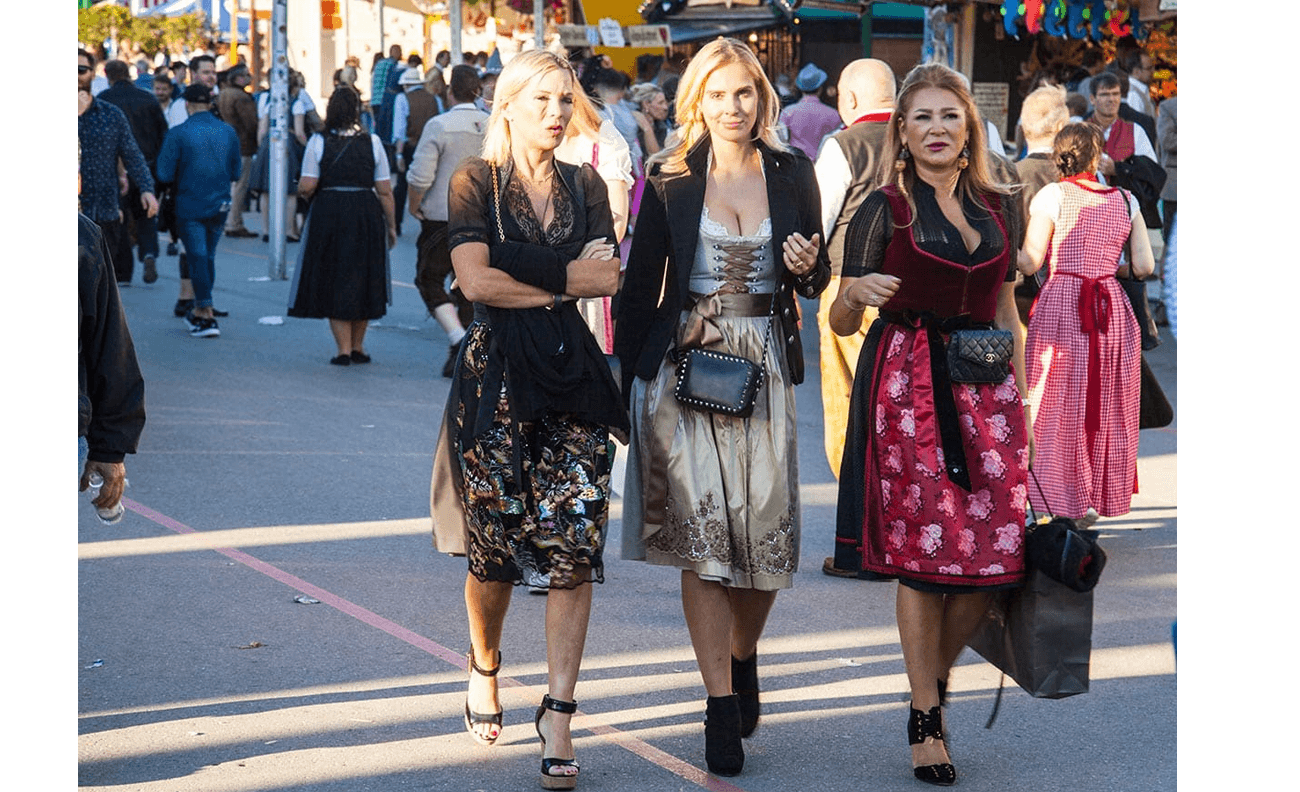
Recognizing inappropriate design elements helps distinguish authentic dirndls from costume-quality imitations that may superficially resemble traditional garments. Extremely short skirts that fall above the knee violate traditional modesty standards and practical considerations that have defined authentic dirndls for centuries. Such designs often prioritize modern fashion trends over cultural authenticity, resulting in garments that may look dirndl-inspired but lack the essential characteristics of genuine traditional dress.
Overly revealing necklines that exceed traditional parameters represent another common deviation from authentic design principles. While traditional dirndls do feature modest décolletage, authentic pieces maintain appropriate coverage that reflects the cultural values and practical considerations of traditional Alpine communities. Inappropriate colors such as neon shades or metallic finishes have no basis in traditional dirndl making and immediately identify garments as modern costume interpretations rather than authentic traditional dress. The exclusive use of modern synthetic fabrics, combined with poor fit that fails to flatter the figure appropriately, creates an overall impression that prioritizes novelty over authenticity.
Mass Production Indicators
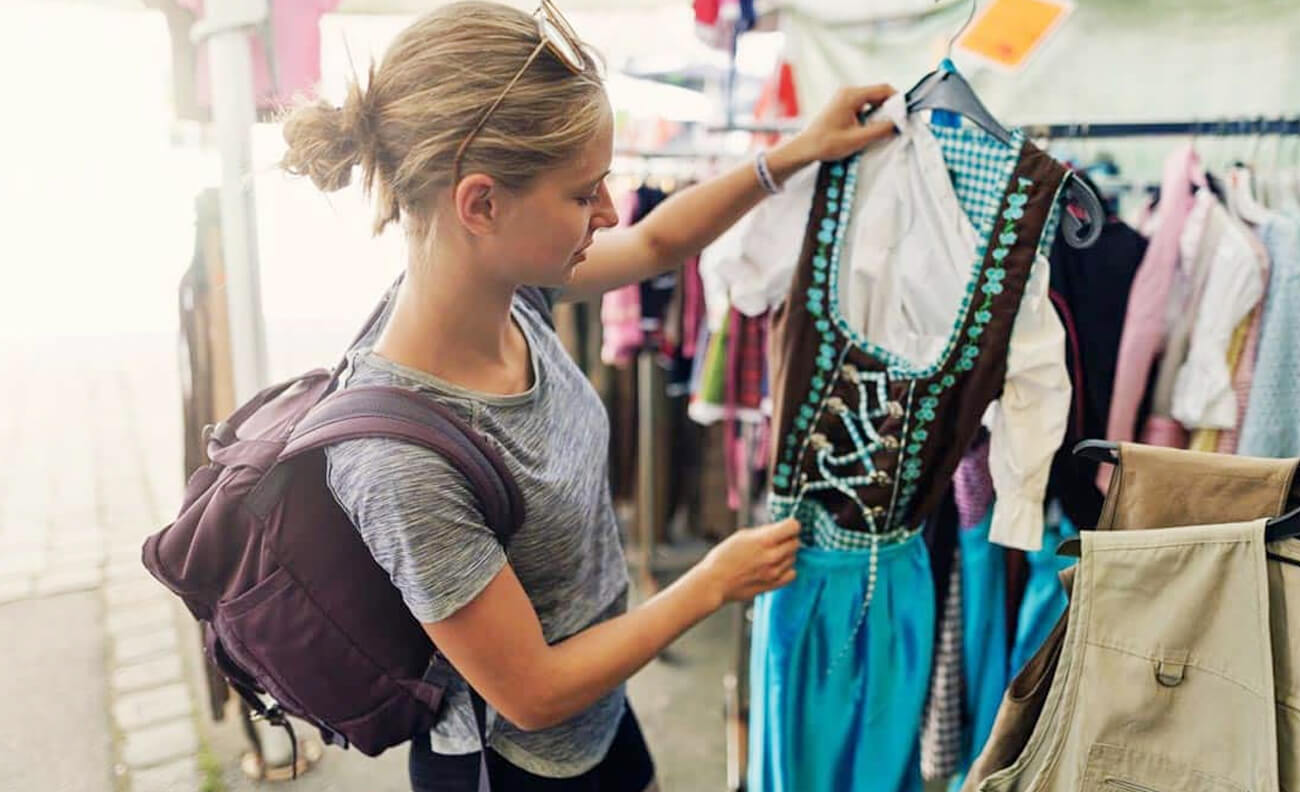
Mass production indicators reveal manufacturing approaches that prioritize quantity and cost efficiency over traditional craftsmanship and cultural authenticity. Identical sizing across all pieces, regardless of the wearer’s individual measurements and proportions, suggests a one-size-fits-all approach that contradicts the traditional emphasis on proper fit and individual tailoring. This standardized approach often results in garments that fail to provide the flattering silhouette and comfortable fit that characterize authentic dirndls.
The absence of attention to traditional proportions in mass-produced pieces often creates garments that may include the basic components of a dirndl but fail to achieve the balanced, harmonious appearance that defines authentic construction. Synthetic materials used throughout the garment, without any incorporation of traditional natural fibers, not only affect the garment’s appearance and comfort but also indicate a manufacturing philosophy that prioritizes cost reduction over cultural authenticity. Missing traditional elements, such as proper boning, adequate gathering, or appropriate hardware, combined with rock-bottom pricing that seems impossibly low for quality construction, should raise immediate concerns about authenticity and long-term satisfaction.
Where to Buy Authentic Dirndls
German and Austrian Manufacturers
Look for established brands from:
- Germany and Austria specifically
- “Made in Germany” labels on dirndls from reputable German brands like Oktoberfestwear indicate the garment meets rigorous quality standards and is an authentic product of German craftsmanship
- Companies with long histories in traditional clothing
- Manufacturers who specialize in tracht (traditional costume)
Reputable Retailers
Choose sellers who:
- Specialize in traditional German clothing
- Provide detailed sizing information
- Offer authentic brands and quality guarantees
- Have knowledgeable customer service
- Understand cultural significance and proper fitting
What to Avoid
Stay away from:
- Generic costume shops
- Ultra-cheap online retailers
- Sellers who don’t understand dirndl traditions
- Anyone calling it a “German beer girl costume”
- Retailers without authentic German connections
Caring for Your Authentic Dirndl
Proper Storage
Maintaining your authentic dirndl through proper storage techniques ensures that your investment in traditional craftsmanship remains in excellent condition for years to come. Hanging your dirndl properly prevents wrinkles and maintains the garment’s shape, particularly important for the structured bodice that requires consistent form retention. Using padded hangers for the bodice component distributes weight evenly and prevents stress points that could lead to fabric distortion or damage over time.
Storing your dirndl in breathable garment bags protects the fabric from dust, insects, and environmental factors while allowing air circulation that prevents mustiness and moisture buildup. Keeping the garment away from direct sunlight prevents color fading and fabric degradation that can occur with prolonged exposure to UV rays. Maintaining proper humidity levels in your storage area helps preserve natural fibers and prevents both excessive drying that can make fabrics brittle and excess moisture that can encourage mold or mildew growth.
Cleaning and Maintenance
Professional care represents the gold standard for maintaining authentic dirndls, as experienced cleaners understand the special requirements of traditional garments and quality fabrics. Dry cleaning provides the safest and most effective method for preserving the integrity of complex construction elements such as boning, interfacing, and decorative details that might be damaged by conventional washing methods. Addressing stains immediately prevents permanent damage and makes professional treatment more effective when it becomes necessary.
Following fabric-specific care instructions ensures that each component of your dirndl receives appropriate treatment based on its individual requirements and construction materials. Regular professional maintenance, including periodic cleaning and inspection, helps identify and address minor issues before they become major problems requiring extensive repairs. Proper pressing techniques using appropriate temperature settings and protective methods preserve the garment’s appearance while preventing heat damage to delicate fabrics or decorative elements.
For those who choose to care for certain components at home, hand washing delicate elements using gentle, pH-neutral detergents can be acceptable when manufacturer recommendations permit such treatment. Air drying away from direct heat sources prevents shrinkage and fabric damage while maintaining the garment’s structural integrity. Ironing should be performed using appropriate temperature settings for specific fabrics, and garments should always be stored completely clean and dry to prevent staining, odors, or fabric deterioration during storage periods.
The Cultural Significance of Authentic Dirndls
Historical Background
The distinctive features of the dirndl, including the tight bodice, lower neckline, and wide skirt, developed from the women’s fashions of the royal court in the 17th century, creating a garment that combined aristocratic elegance with practical functionality for everyday wear. This historical evolution demonstrates how traditional clothing adapts and transforms while maintaining essential characteristics that define cultural identity. Understanding this rich history helps modern wearers appreciate why authenticity matters and why preserving traditional construction methods and design principles remains culturally significant.
The transformation of court fashion into regional folk dress represents a fascinating example of how clothing styles migrate across social classes while adapting to local needs and preferences. Over centuries, the dirndl evolved from a simplified version of aristocratic dress into a distinctly regional garment that expressed local identity, social status, and cultural values. This historical development explains why authentic dirndls possess certain structural and aesthetic requirements that distinguish them from modern costume interpretations or fashion-inspired variations.
Modern Cultural Context
Today’s authentic dirndls serve multiple important purposes that extend far beyond their original practical applications, functioning as vehicles for cultural preservation and expressions of ethnic pride. These traditional garments have found new relevance as festival and celebration wear, particularly at events like Oktoberfest where they connect participants to their cultural heritage while creating a sense of community and shared tradition. The transformation of dirndls into fashion statements with historical roots demonstrates how traditional clothing can remain relevant and meaningful in contemporary contexts.
The role of authentic dirndls in tourism and cultural exchange has become increasingly significant, as these garments serve as tangible representations of German and Austrian culture that visitors can experience and appreciate. Family traditions and heritage preservation often center around authentic dirndls that are passed down through generations, creating personal connections to ancestral customs and cultural identity that strengthen family bonds and cultural continuity. This modern cultural context highlights the importance of maintaining authentic construction and design standards that honor the garment’s historical significance while meeting contemporary needs and expectations.
Respect for Tradition
Wearing an authentic dirndl carries responsibilities that extend beyond personal fashion choices, requiring an understanding of the garment’s cultural significance and historical context. This cultural awareness enhances the wearing experience while demonstrating respect for the communities and traditions that created and preserved these beautiful garments. Learning about regional variations and their meanings helps wearers appreciate the diversity within dirndl traditions while understanding the specific cultural contexts that shaped different styles and construction methods.
Appreciating the craftsmanship involved in creating authentic dirndls develops a deeper understanding of traditional skills and techniques that represent centuries of accumulated knowledge and expertise. Supporting authentic manufacturers through informed purchasing decisions helps preserve traditional craftsmanship while ensuring that skilled artisans can continue practicing and passing on their knowledge to future generations. This approach to dirndl ownership and wearing creates a positive cycle that honors tradition while supporting the continued vitality of traditional clothing crafts.
Investment Value of Authentic Dirndls
Quality vs. Price
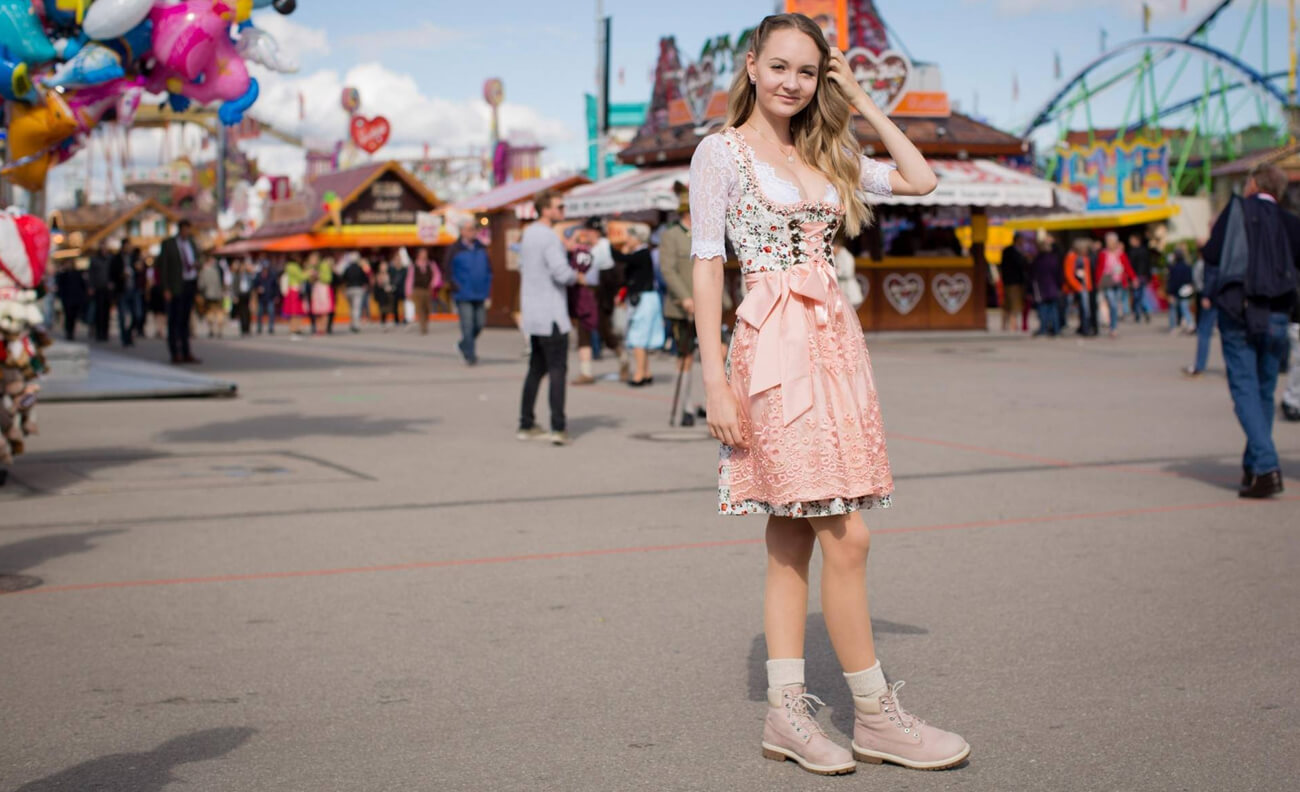
Authentic dirndls represent exceptional long-term value that justifies their higher initial cost when compared to mass-produced alternatives or costume-quality imitations. Superior construction using traditional methods and quality materials ensures that authentic pieces will last for decades with proper care, making them genuine wardrobe investments rather than disposable fashion items. The timeless designs rooted in centuries of tradition never go out of style, ensuring that your authentic dirndl will remain appropriate and attractive for years to come.
Quality materials used in authentic construction actually improve with age when properly maintained, developing the kind of patina and character that only genuine craftsmanship can provide. Authentic pieces hold their value remarkably well, often becoming more desirable as they age and develop the subtle signs of quality construction that distinguish them from newer, mass-produced alternatives. The potential for authentic dirndls to be passed down through generations creates additional value that extends beyond mere monetary considerations, transforming these garments into family heirlooms that carry cultural and emotional significance.
Cost Considerations
Budgeting appropriately for an authentic dirndl requires understanding the various expenses involved in acquiring and maintaining a quality traditional garment. The initial purchase price of quality pieces reflects the superior materials, traditional construction methods, and skilled craftsmanship that authentic manufacturers employ. Professional alterations may be necessary to achieve the perfect fit that authentic dirndls are designed to provide, and these adjustments should be factored into the overall investment cost.
Proper care and maintenance represent ongoing expenses that protect your investment while ensuring that your authentic dirndl continues to look and function as intended. Quality accessories and appropriate undergarments are essential components that complement the main garment while providing the support and styling necessary for authentic appearance and comfort. Viewing an authentic dirndl as a long-term wardrobe investment helps justify the initial expense while emphasizing the importance of choosing quality over short-term cost savings that may prove disappointing in the long run.
Sizing and Fit for Authentic Dirndls
Traditional Measurements
Authentic dirndls require specific measurements that differ from standard modern clothing sizing, reflecting the unique construction and fit requirements of traditional German and Austrian dress. Bust measurement for bodice fit represents the most critical measurement, as the structured bodice must provide proper support while creating the characteristic silhouette that defines authentic dirndl styling. Waist measurement determines proper proportion between the fitted bodice and full skirt, ensuring that the overall silhouette maintains the traditional balance that has defined these garments for centuries.
Length considerations for modesty reflect cultural values and practical requirements that continue to influence authentic dirndl design and construction. Shoulder width measurements ensure comfort during extended wear, particularly important for festival attendance or cultural events where the dirndl will be worn for many hours. Overall proportions for authenticity require careful consideration of how individual measurements work together to create the harmonious appearance that distinguishes genuine traditional dress from modern interpretations or costume-quality alternatives.
Professional Fitting
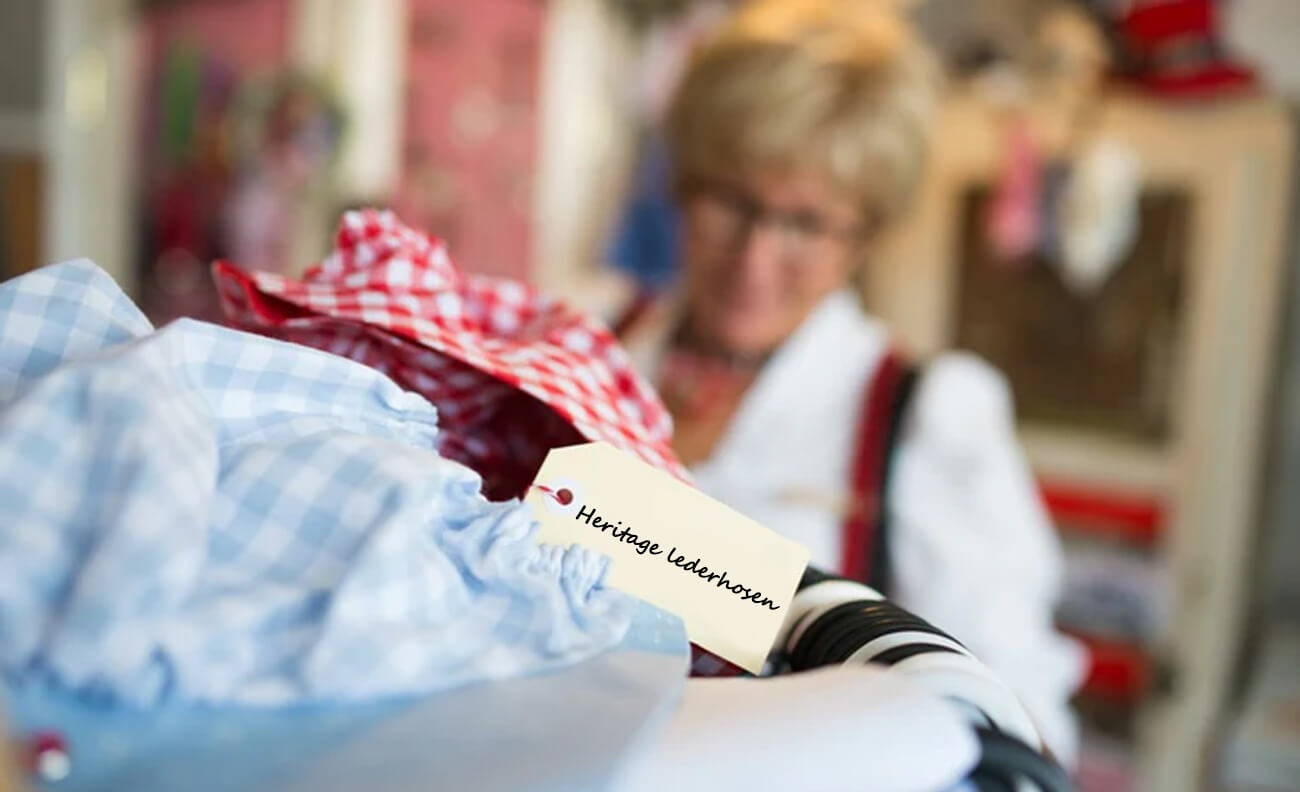
Professional fitting services provide invaluable expertise for those seeking to achieve the perfect authentic dirndl experience, particularly beneficial for first-time dirndl purchases where understanding proper fit and styling can seem overwhelming. Experienced fitters understand the unique requirements of traditional construction and can ensure that your authentic dirndl provides both comfort and cultural appropriateness. Vintage or heirloom pieces often benefit from professional fitting services, as these garments may require adjustments to accommodate modern sizing while preserving their historical integrity and authentic appearance.
Special occasion wear demands the highest standards of fit and appearance, making professional fitting an worthwhile investment for important cultural events, festivals, or celebrations. Proper cultural representation requires attention to traditional fit standards that may differ from modern fashion preferences, and professional fitters can provide guidance on achieving authenticity while ensuring comfort and confidence. The expertise that professional fitting provides in achieving maximum comfort and appropriate appearance often justifies the additional expense, particularly for those who plan to wear their authentic dirndl regularly or for important cultural occasions.
Accessories for Complete Authenticity
Traditional Undergarments
Authentic dirndl wearing requires careful attention to appropriate undergarments that provide the support and shaping necessary for traditional silhouette achievement. Proper undergarments for support ensure that the bodice fits correctly while providing comfort during extended wear periods. Traditional chemise or slip garments serve both practical and aesthetic purposes, creating smooth lines while protecting the outer garment from direct skin contact that could cause staining or premature wear.
Appropriate hosiery complements the traditional aesthetic while providing practical benefits for comfort and appearance. The choice of comfortable, period-appropriate shoes becomes crucial for authentic presentation, as modern athletic footwear or inappropriate heel heights can detract from the overall traditional appearance. Cultural accessories such as traditional jewelry, including items like dirndl pins, traditional necklaces, or regional ornaments, complete the authentic ensemble while demonstrating cultural knowledge and respect for traditional styling principles.
Seasonal Considerations
Adapting your authentic dirndl for different seasons and occasions requires understanding how traditional garments were historically modified for various weather conditions and cultural events. Oktoberfest and festival wear may require different considerations than everyday traditional dress, with attention to comfort during outdoor events and extended wear periods. Seasonal color appropriate choices reflect traditional practices where certain colors and fabrics were preferred during specific times of year, both for practical and cultural reasons.
Weather-appropriate fabrics become particularly important when choosing authentic dirndls for specific seasons or climates, as traditional construction methods and materials were originally selected based on local weather patterns and practical requirements. Cultural event requirements may dictate specific styling choices or traditional elements that enhance the appropriateness of your authentic dirndl for particular occasions or celebrations. Personal comfort needs must be balanced with traditional authenticity requirements, ensuring that your authentic dirndl experience remains enjoyable while honoring cultural traditions and expectations.
Conclusion: Why Authenticity Matters
The authentic dirndl is a symbol of German and Alpine culture that has endured through the centuries. Its authenticity is specifically characterized by its traditional components, craftsmanship, and the way it is styled with different accessories, embodying the essence of regional pride.
Choosing an authentic dirndl means investing in quality, tradition, and cultural respect. Whether you’re attending Oktoberfest, celebrating German heritage, or simply appreciating beautiful traditional clothing, understanding what makes a dirndl authentic ensures you’re making an informed purchase that honors centuries of cultural tradition.
Remember that an authentic dirndl is more than just clothing – it’s a piece of living history that connects you to generations of German and Austrian women who wore similar garments with pride. By choosing authenticity, you’re preserving tradition while enjoying a beautifully crafted garment that will serve you well for years to come.
When shopping for your authentic dirndl, take time to research manufacturers, understand construction quality, and invest in pieces that reflect the true spirit of this beloved traditional dress. Your commitment to authenticity not only ensures you get the best quality but also helps preserve an important cultural tradition for future generations.
Frequently Asked Questions (FAQs
What is the difference between an authentic dirndl and a costume dirndl?
An authentic dirndl uses high-quality natural materials like cotton, linen, or wool with proper construction, metal hardware, and traditional three-piece design. Costume dirndls are made from cheap synthetic materials with poor stitching, plastic hardware, and inappropriate short lengths. Authentic pieces last decades while costumes are disposable Halloween-style garments that lack cultural authenticity and quality craftsmanship.
How much should I expect to pay for an authentic dirndl?
Authentic dirndls typically cost $200-$800+ depending on quality and manufacturer. Reputable brands like Heritage Lederhosen offer genuine craftsmanship with premium materials and traditional construction. While the initial investment seems substantial, authentic dirndls provide exceptional value through durability and timeless design. Prices under $100 usually indicate costume-quality pieces rather than authentic traditional dress.
Can I wear a dirndl if I’m not German or Austrian?
Yes, anyone can respectfully wear authentic dirndls when approaching them with cultural appreciation and understanding. Wearing dirndls to Oktoberfest, cultural festivals, or traditional events shows respect for German and Austrian heritage. The key is understanding the cultural context, wearing the dirndl correctly, and treating it as traditional dress rather than a costume.
How do I know what size dirndl to buy online?
Take accurate bust, waist, and length measurements, as dirndl sizing differs from modern clothing standards. Consult the manufacturer’s specific sizing chart rather than standard sizes. Reputable sellers like Heritage Lederhosen provide detailed measurement guides and customer service support. The bodice should fit snugly while allowing comfortable movement, and the skirt should fall at or below the knee.