
The Ultimate Guide to Heritage Lederhosen Care: How to Clean and Maintain Your Traditional German Leather Pants

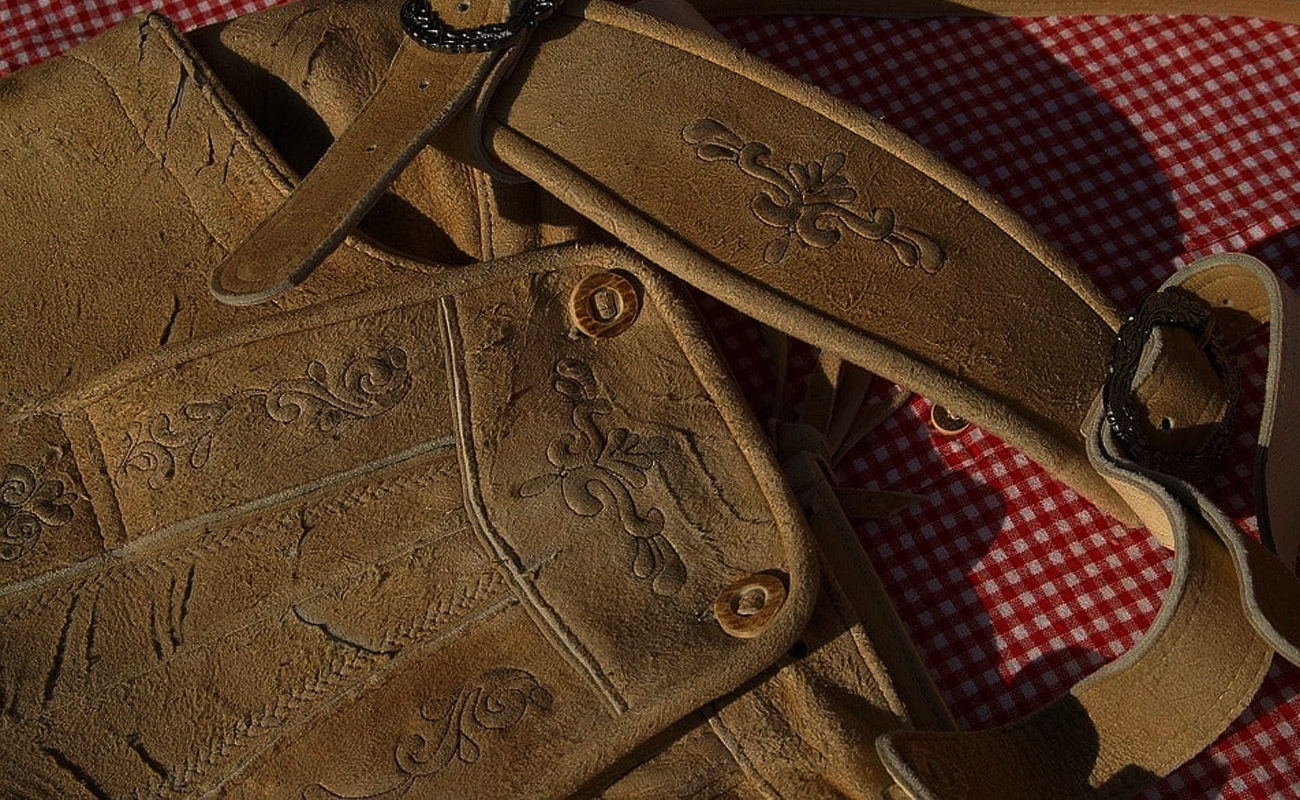
Heritage Lederhosen represent centuries of German craftsmanship and cultural tradition. These authentic leather pants, often treasured family heirlooms, require specialized care to preserve their beauty and functionality for generations. Whether you’ve inherited a vintage pair or invested in premium heritage Lederhosen, understanding proper maintenance techniques ensures these remarkable garments will continue to tell their story for decades to come.
The art of caring for heritage Lederhosen goes beyond simple cleaning – it’s about preserving a piece of living history while maintaining the garment’s structural integrity and distinctive character. Unlike modern clothing that’s designed to be replaced, quality Lederhosen are crafted to last a lifetime, developing a unique patina that adds to their authentic appeal and cultural significance.
Understanding Your Heritage Lederhosen: The Foundation of Proper Care
Before embarking on any cleaning routine, it’s essential to understand the specific type of leather used in your Lederhosen. Different leather types require distinct care approaches, and recognizing these differences can mean the difference between proper maintenance and accidental damage.
Types of Leather Used in Heritage Lederhosen:
Premium Leather Options:
- Deer Leather (Hirschleder) – Most prestigious choice, naturally water-resistant, develops authentic patina
- Cowhide Leather – Most common, excellent durability, classic appearance
- Goat Leather – Lighter and flexible, comfortable for extended wear
- Lamb Leather – Softer and luxurious, requires gentler care
- Chamois Leather – Extremely soft and pliable, ideal for comfort
Specialty Leathers:
- Pigskin Leather – Durable and breathable, good for active wear
- Kangaroo Leather – Lightweight yet strong, modern premium option
Each leather type offers unique characteristics that influence both appearance and care requirements. Deer leather, considered the premium choice for heritage Lederhosen, offers exceptional durability and develops the most coveted patina over time. This leather naturally resists water and becomes increasingly beautiful with age, making it the preferred material for authentic traditional garments.
The Sacred Rules of Heritage Lederhosen Care
The most fundamental principle in Lederhosen care is understanding what never to do. Machine washing represents the quickest way to destroy heritage Lederhosen, as the mechanical action and harsh detergents will strip the leather of its natural oils, cause permanent stiffening, and potentially destroy decorative elements like embroidery or metal hardware.
Essential Do’s and Don’ts:
Never Do:
- Machine wash or dry clean your Lederhosen
- Use harsh chemicals, bleach, or regular detergents
- Dry near heat sources like radiators or in direct sunlight
- Store in plastic bags or airtight containers
- Ignore small stains – they become harder to remove over time
Always Do:
- Air dry in well-ventilated areas away from heat
- Use specialized leather cleaners and conditioners
- Brush gently after each wear to remove surface dirt
- Test any cleaning product on a hidden area first
- Seek professional help for serious stains or vintage pieces
Embracing the natural patina development is equally important. Authentic heritage Lederhosen are designed to age gracefully, developing character marks that tell the story of their adventures. This weathered appearance isn’t damage – it’s a testament to quality craftsmanship and authentic use. The patina represents the leather’s natural aging process, creating unique color variations and subtle texture changes that make each pair of Lederhosen truly one-of-a-kind.
Daily Maintenance: Building Good Habits
Proper daily care begins the moment you remove your Lederhosen. Immediate attention to airing and basic maintenance prevents most serious problems from developing. Hanging your Lederhosen in a well-ventilated area away from direct heat sources allows natural air circulation to prevent moisture buildup and odor development.
Regular brushing with a soft-bristled brush removes surface dirt and debris before it can penetrate the leather. This simple practice, performed after each wear, significantly extends the time between deep cleanings and helps maintain the leather’s natural texture. Always brush in the direction of the leather grain to avoid damaging the surface or creating unsightly marks.
Immediate stain attention makes the difference between easy spot cleaning and permanent damage. Fresh stains respond much better to treatment than those allowed to set, so developing the habit of immediate inspection and treatment saves considerable effort later.
Spot Cleaning Techniques: Addressing Minor Issues
Light stains and everyday soiling can often be addressed with simple spot cleaning techniques. A slightly damp cloth works wonders for removing surface dirt and minor stains without penetrating deep into the leather. The key is using minimal moisture and working gently to avoid spreading the stain or over-wetting the leather.
Saddle soap, specifically designed for leather care, provides an excellent solution for more stubborn spots. Apply a small amount to a damp cloth and work in gentle circular motions, focusing on the stained area without extending beyond the necessary treatment zone. Always follow saddle soap treatment with a clean, damp cloth to remove any residue, then allow the leather to air dry completely.
For textured leathers like suede or nubuck, specialized brushes and erasers can effectively remove embedded dirt and restore the leather’s natural texture. These tools work by gently lifting dirt particles from the leather surface without damaging the delicate fibers that create the characteristic texture.
Deep Cleaning: When Professional-Grade Care is Needed
Serious stains require more intensive treatment approaches. Grease and oil stains, common during festive occasions, respond well to absorption techniques. Immediately blotting excess oil with a clean, dry cloth prevents the stain from spreading, while cornstarch or talcum powder can draw out embedded oils when left overnight and then brushed away.
Beer and liquid stains, inevitable at traditional celebrations, require immediate attention to prevent permanent damage. Quick blotting followed by gentle cleaning with a damp cloth usually resolves these issues. For persistent stains, specialized leather cleaners designed for delicate leather provide additional cleaning power without risking damage.
Sweat and odor present unique challenges in leather care. Baking soda sprinkled inside the Lederhosen and left overnight effectively absorbs odors, while proper airing in fresh air provides natural deodorizing. These techniques work together to maintain freshness without introducing harsh chemicals that could damage the leather.
Professional Cleaning: Recognizing When Expert Help is Needed
Certain situations demand professional leather cleaning expertise. Severe stains that resist home treatment, vintage pieces with historical significance, and extensive soiling from special events all benefit from professional attention. Professional cleaners possess specialized equipment, cleaning solutions, and expertise that ensure proper treatment without risking damage.
Annual professional cleaning, even for well-maintained Lederhosen, helps preserve long-term condition and appearance. Professional cleaners can identify potential problems early, perform specialized treatments, and provide expert advice on ongoing care. This investment in professional maintenance often prevents costly repairs and extends the garment’s useful life significantly.
Conditioning: Maintaining Leather Health
Leather conditioning represents one of the most critical aspects of heritage Lederhosen care. Natural leather requires regular conditioning to maintain flexibility, prevent cracking, and enhance its natural beauty. Quality leather conditioner replenishes the natural oils that keep leather supple and attractive.
The conditioning process requires careful product selection and proper application technique. Always test conditioner on a hidden area first, then apply sparingly using a clean, soft cloth. Work in small sections, allowing the leather to absorb the conditioner completely before applying additional product. The goal is nourishment, not saturation.
Conditioning frequency depends on usage patterns and environmental conditions. Regular wear in varying weather conditions may require conditioning every three to four months, while occasional wear may need conditioning only twice yearly. Storage conditioning, applied before extended storage periods, helps preserve leather condition during dormant periods.
Proper Storage: Protecting Your Investment
Short-term storage between wears requires attention to ventilation and support. Sturdy, padded hangers prevent creasing and maintain the garment’s shape, while adequate air circulation prevents moisture buildup and odor development. Avoid plastic bags or airtight containers that trap moisture and can promote mold growth.
Long-term seasonal storage demands more comprehensive preparation. Thorough cleaning removes all dirt and stains that could cause permanent damage during storage. Fresh conditioning provides protection against drying and cracking, while breathable storage materials like cotton garment bags or muslin cloth allow air circulation while protecting against dust and insects.
Cedar blocks or sachets provide natural insect deterrence without introducing harsh chemicals. Regular inspection during storage periods allows early detection of any developing problems, ensuring prompt attention before minor issues become major concerns.
Common Mistakes: What to Avoid
Several common mistakes can cause irreversible damage to heritage Lederhosen. Chemical cleaners, including bleach and harsh detergents, can permanently damage leather by stripping natural oils and causing discoloration. These products have no place in leather care and should never be used regardless of the stain severity.
Heat damage represents another common mistake with serious consequences. Attempting to speed drying with hair dryers, placing Lederhosen near radiators, or exposing them to direct sunlight can cause permanent brittleness and cracking. Leather requires gentle, gradual drying to maintain its flexibility and appearance.
Neglecting small stains often leads to permanent damage that could have been easily prevented. Fresh stains respond well to simple treatment, while old, set stains may require professional intervention or may be impossible to remove completely. Immediate attention to stains represents the most effective prevention strategy.
Seasonal Care: Preparing for Special Occasions
Oktoberfest and other traditional celebrations place exceptional demands on heritage Lederhosen. Pre-season preparation includes thorough inspection for needed repairs, complete cleaning and conditioning, and verification of proper fit. Leather can change dimensions with humidity variations, so ensuring proper fit prevents discomfort and potential damage during extended wear.
Post-festival care requires immediate attention to prevent lasting damage from celebration activities. Immediate airing prevents odor development, while prompt stain treatment addresses spills and splashes before they become permanent. Heavy use during festival season may require professional cleaning to address comprehensive soiling and restore optimal condition.
Preserving Heritage Value: More Than Just Maintenance
Heritage Lederhosen often carry significant cultural and family history that extends beyond their monetary value. Documenting provenance, photographing unique features, and researching historical significance helps preserve this cultural heritage for future generations. Professional appraisal may be appropriate for particularly old or significant pieces.
Teaching proper care techniques to family members ensures tradition continuation and proper stewardship of these valuable garments. Written care instructions, combined with hands-on demonstration, helps preserve both the physical garments and the knowledge required for their ongoing care.
Conclusion: Honoring Tradition Through Proper Care
Caring for heritage Lederhosen represents a connection to German cultural traditions and family history. These remarkable garments embody centuries of craftsmanship and cultural significance, deserving the careful attention required to preserve their beauty and functionality for future generations.
The investment in proper care techniques pays dividends in extended garment life, maintained appearance, and preserved cultural heritage. Whether preparing for special occasions or simply maintaining family heirlooms, understanding and implementing proper care ensures these traditional garments continue telling their stories for generations to come.
Remember that the goal isn’t preserving museum-quality appearance, but rather maintaining structural integrity while allowing natural patina development. This balance between preservation and authentic wear creates the character that makes heritage Lederhosen truly special, honoring tradition while embracing the natural aging process that adds to their unique charm and cultural significance.